
Happy Whale Humpback Happenings
June 22, 2026
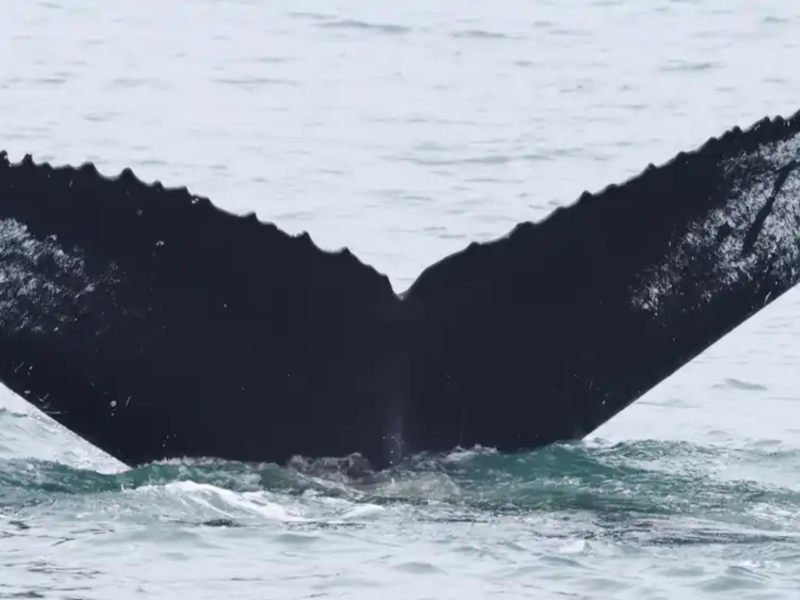
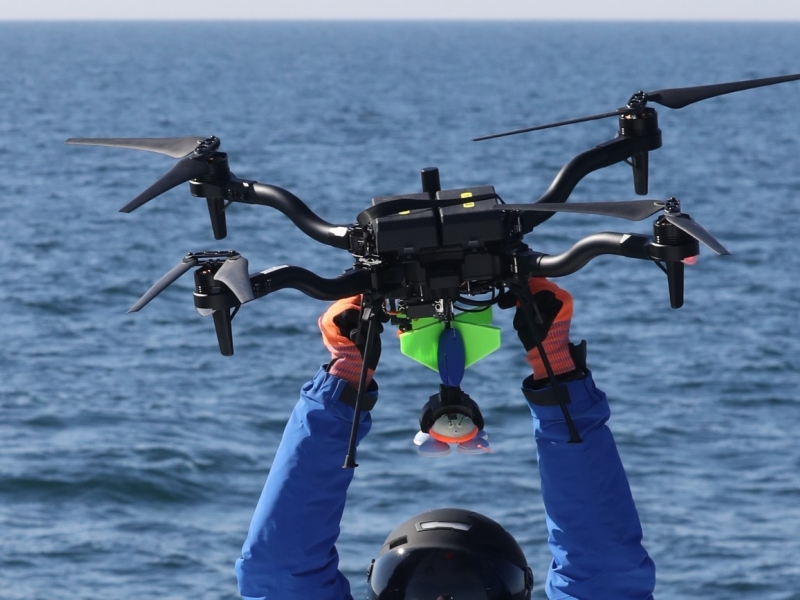
A few interesting matches have come out of our Mid-Atlantic Humpback Whale Catalog efforts and partnership with Happy Whale!
2024-2025 Large Whale Season Summary
March 24, 2025
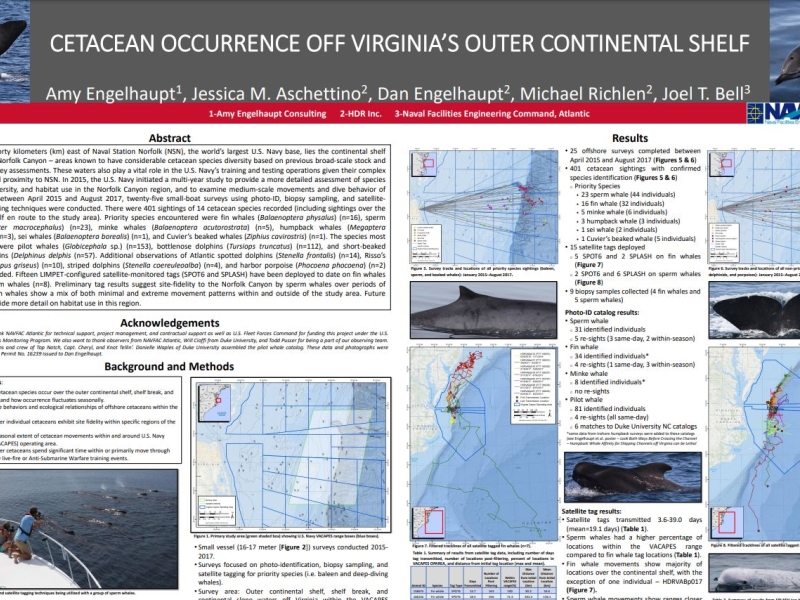
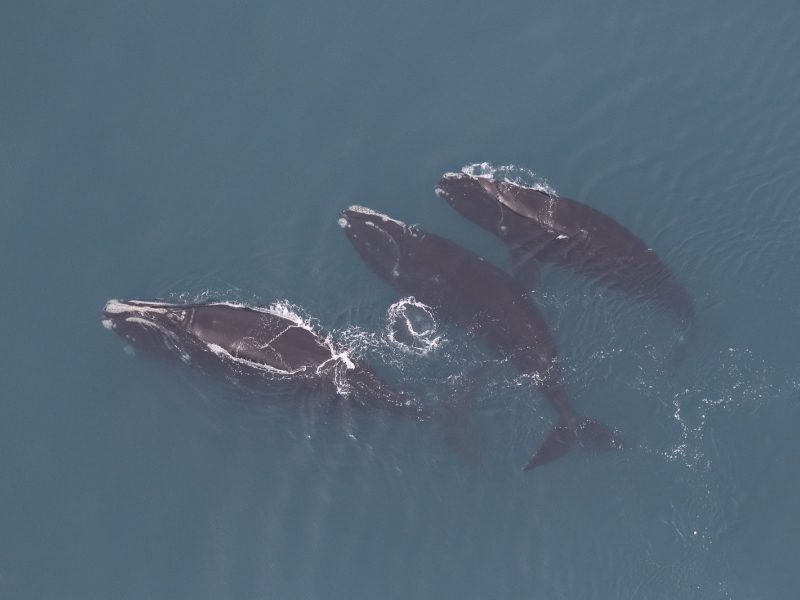
We have two separate efforts focusing on cetaceans off the coast of Virginia. The first is our Offshore (Outer Continental Shelf) Cetacean Study, which focuses primarily on deep diving odontocetes like sperm whales. The second effort is our Nearshore and Mid-Shelf Baleen Whale Monitoring Project.
Aerial Surveys to Confirm Seal Haul-out Sites in Virginia
January 14, 2025
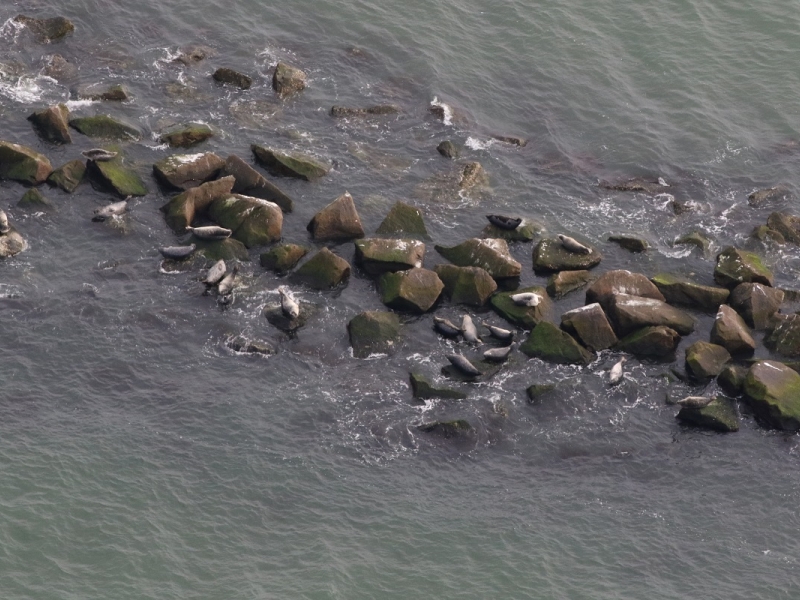
Each fall/winter, some portion of the Northwest Atlantic harbor seal population that summers in New England make their way south to Virginia.
Right whale calf sighted off Virginia!
December 20, 2024
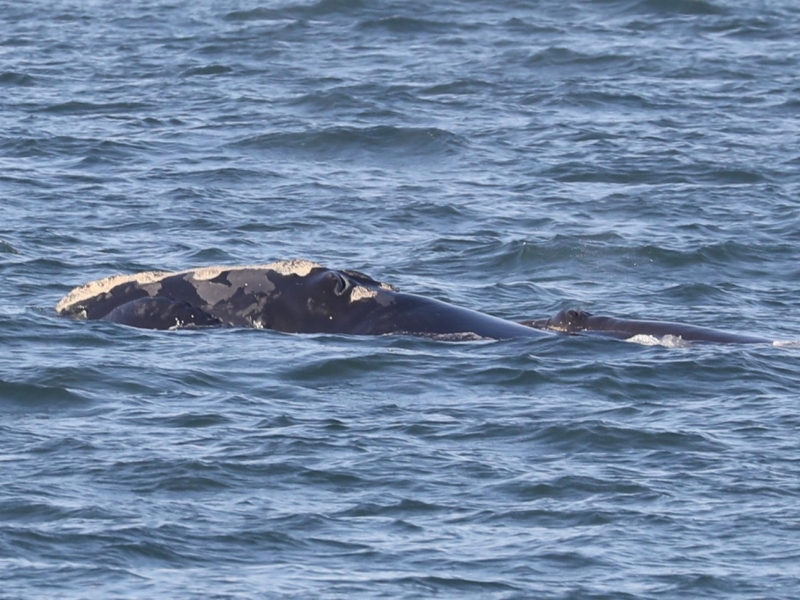
On December 18, 2024, during a survey off Virginia Beach, researchers from HDR Inc. and NAVFAC LANT observed North Atlantic right whale #4540 with her first known calf. This sighting is notable as it's the earliest recorded instance of a newborn right whale calf in Virginia waters, suggesting a possible shift in calving locations northward from the typical areas off Florida and Georgia.
It’s Whale Season in the Mid-Atlantic!
November 20, 2023
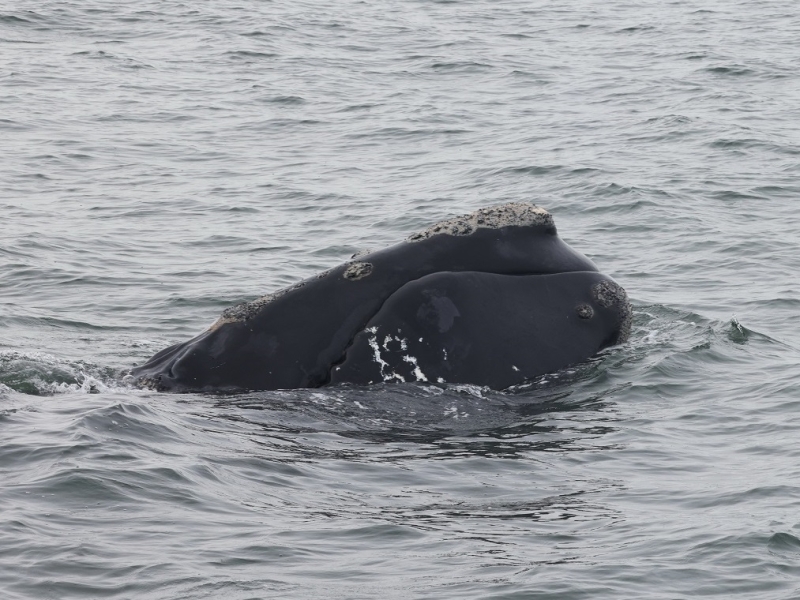
Baleen whale season has started in the mid-Atlantic and we have several projects in the region studying their occurrence and behavior.
Humpbacks - New visitors and familiar friends in the Mid-Atlantic
November 20, 2023
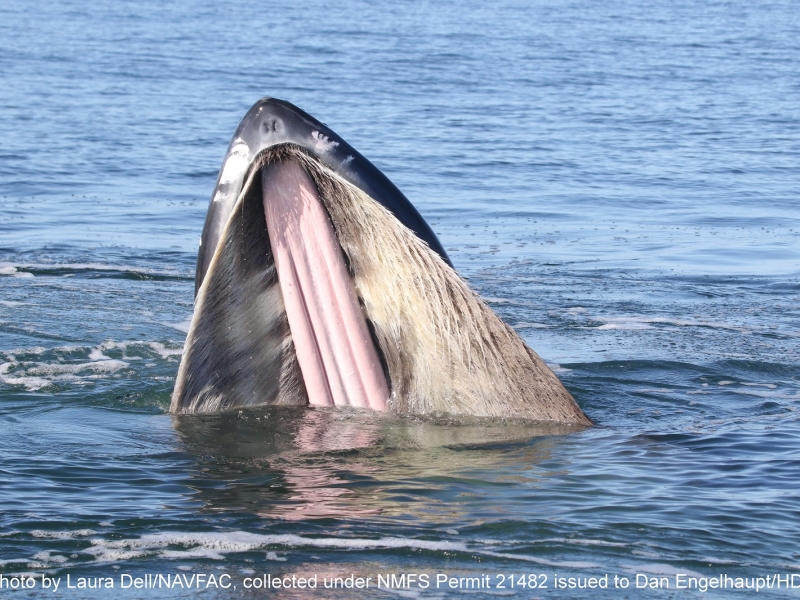
On 16 November 2023, the weather lined up perfectly for HDR Inc. to go out in their small boat for some large whale survey work under the Mid-Atlantic Nearshore and Mid-shelf Baleen Whale Monitoring Project.
Coming full circle – right whale mom returns with calf
March 15, 2023
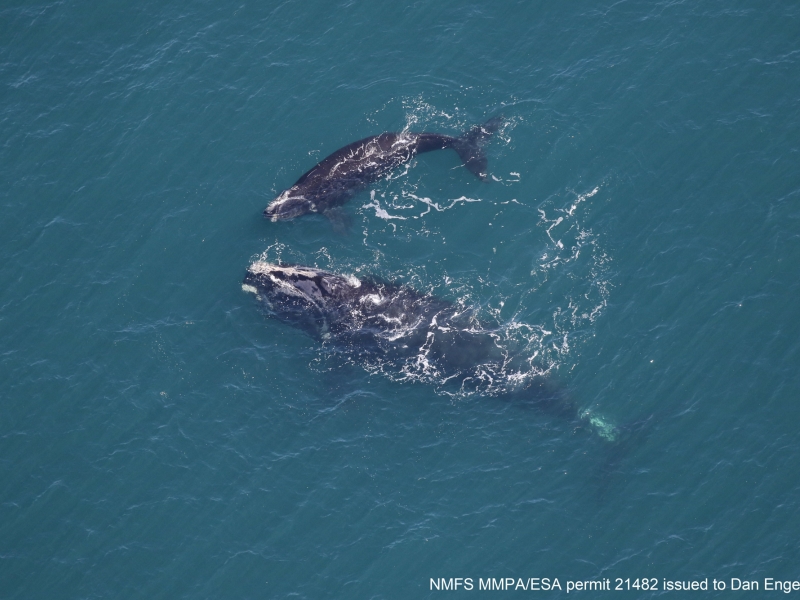
Previously CATS tagged Right whale "Smoke" is sighted again in VA with a calf.
Right Whale Party in the Mid-Atlantic
February 4, 2023
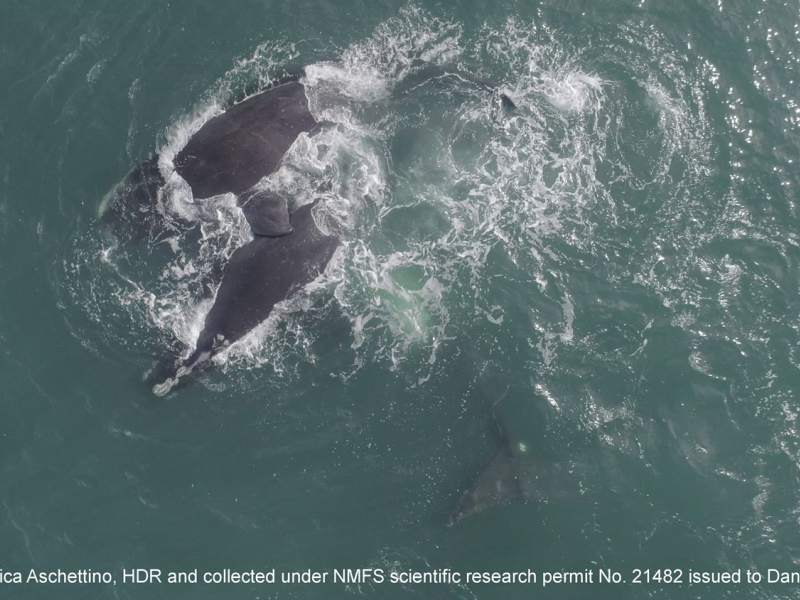
A Surface Active Group of North Atlantic right whales off the coast of Virginia.
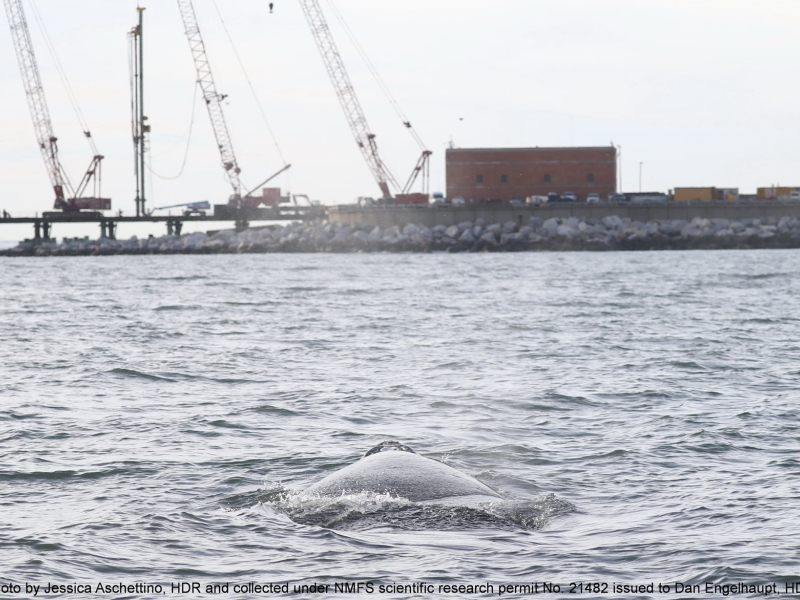
An Urban Whale
February 3, 2023
A juvenile North Atlantic right whale finds itself in a busy area.
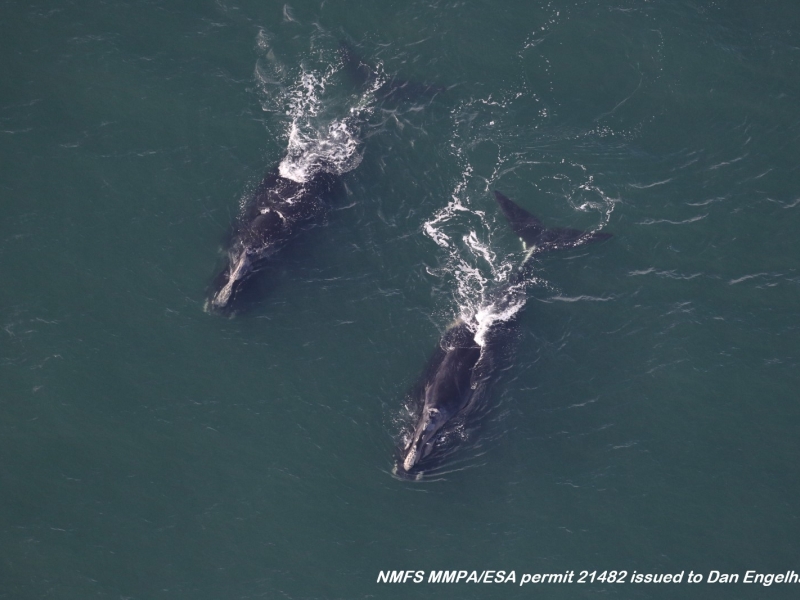
Right whales are on the move!
November 23, 2022
Two female right whales were sighted off Virginia during their southbound migration.
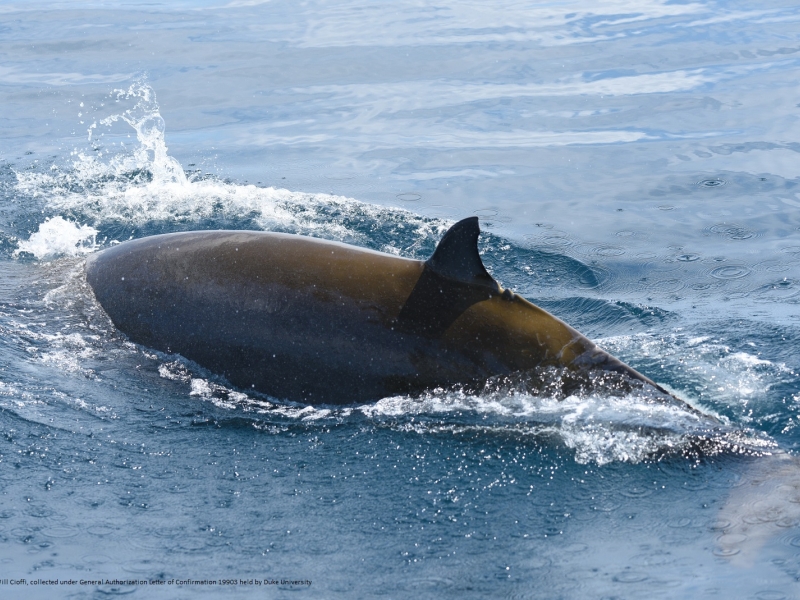
Cuvier's from Cape to Canyon
September 16, 2022
Photo ID match of a Goose-beaked whale between Cape Hatteras and Virginia Beach after two years.
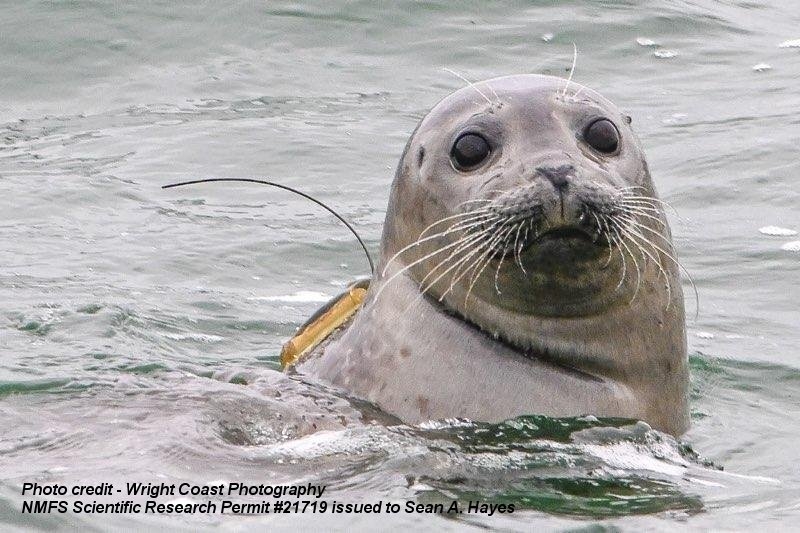
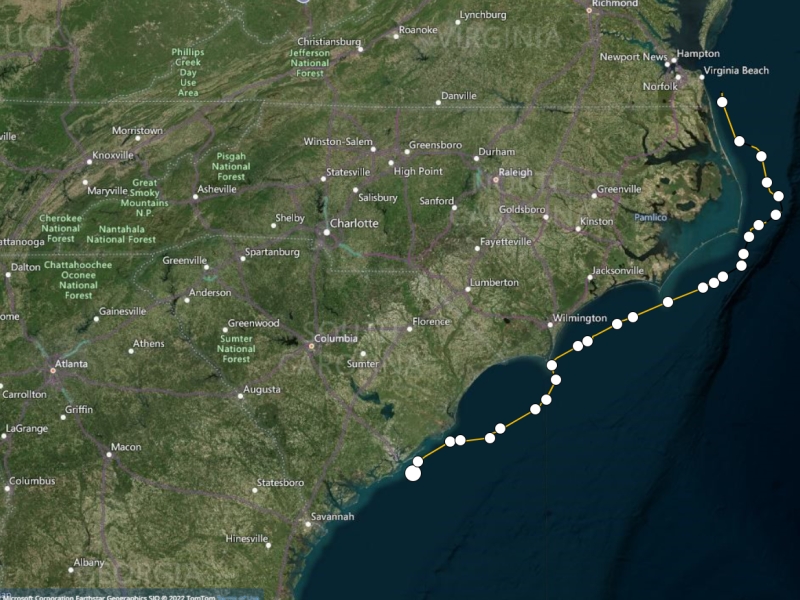
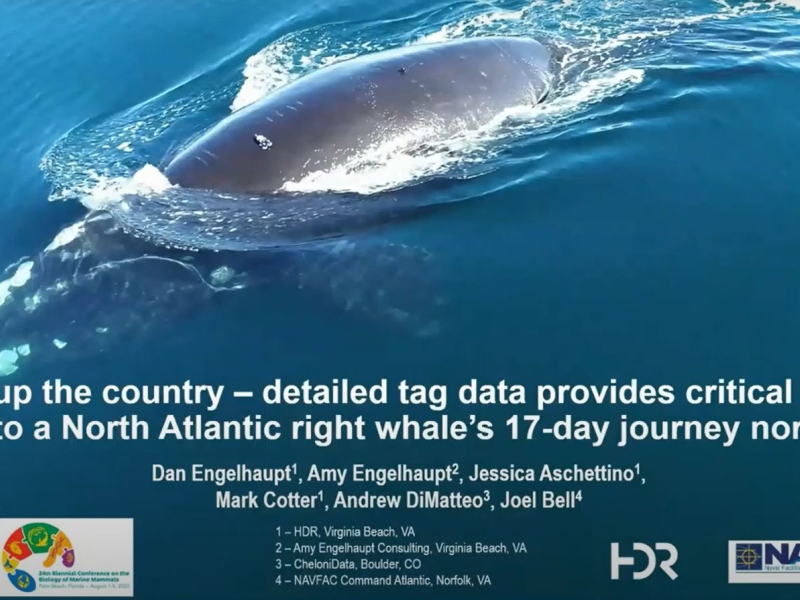
NARW tagged off VA Beach!
March 2, 2022
A yearling right whale was tagged off Virginia.
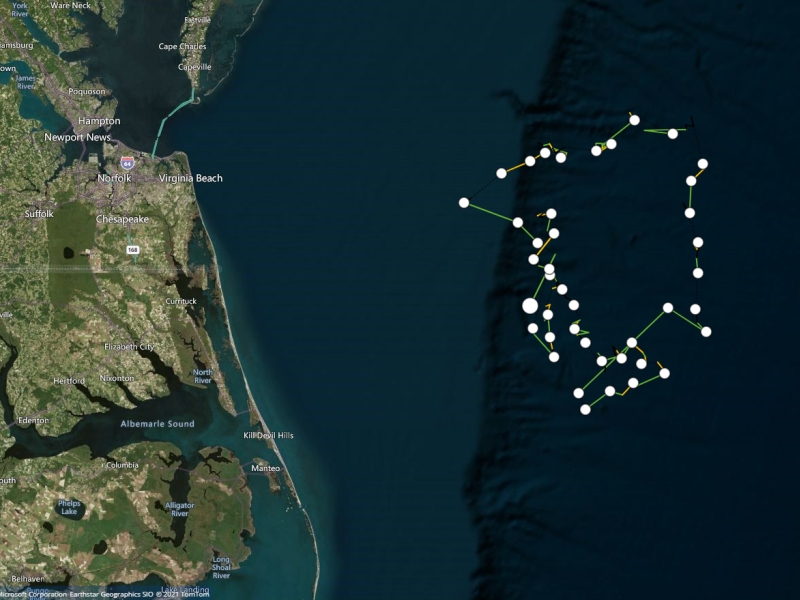
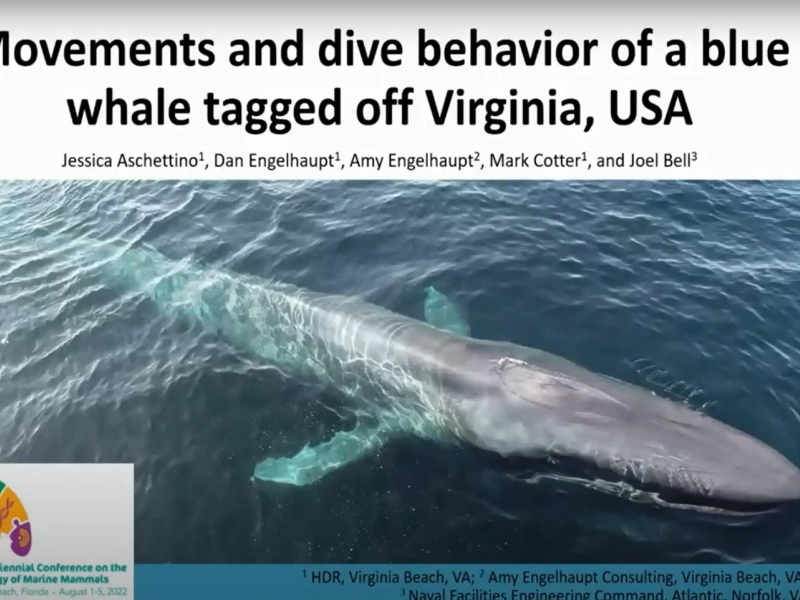
Blue whale tagged off the coast of Virginia
April 26, 2021
Details on the first blue whale tagged in the region.
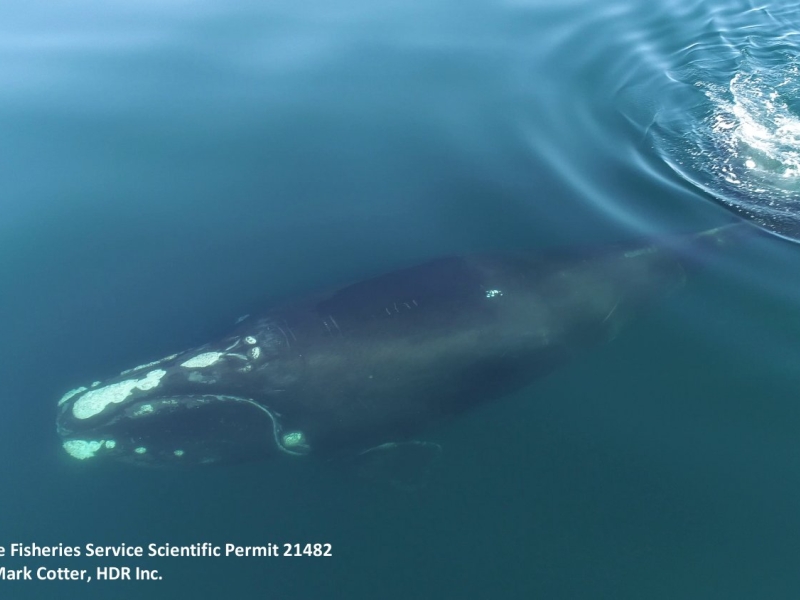
Tracking an endangered North Atlantic right whale
March 15, 2021
A yearling right whale was tagged off the coast of VA and tracked for 12 days.
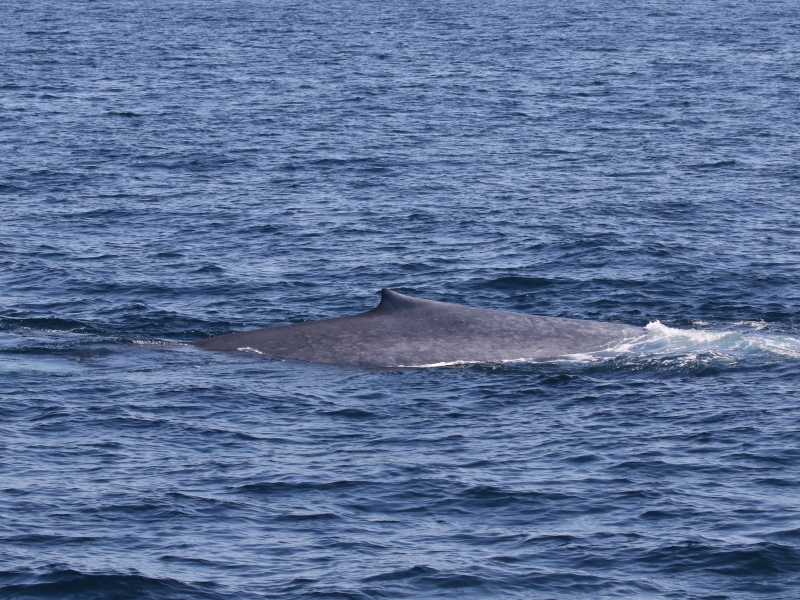
Drone footage of a blue whale off the coast of Virginia!
March 14, 2021
Blue whale footage from Virginia
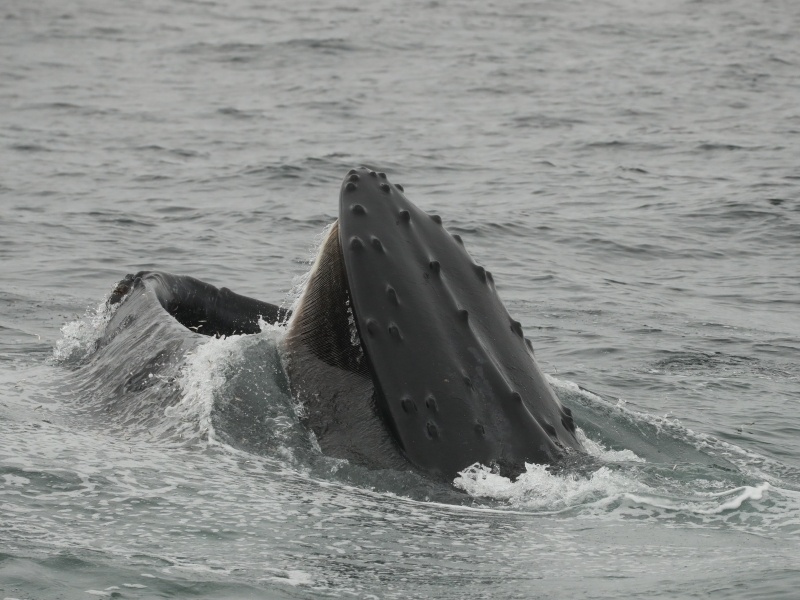
Drone footage of humpback whale bubble-net feeding off the coast of Virginia
February 18, 2021
Humpback whale "Tobin" bubblenet feeding off VA.
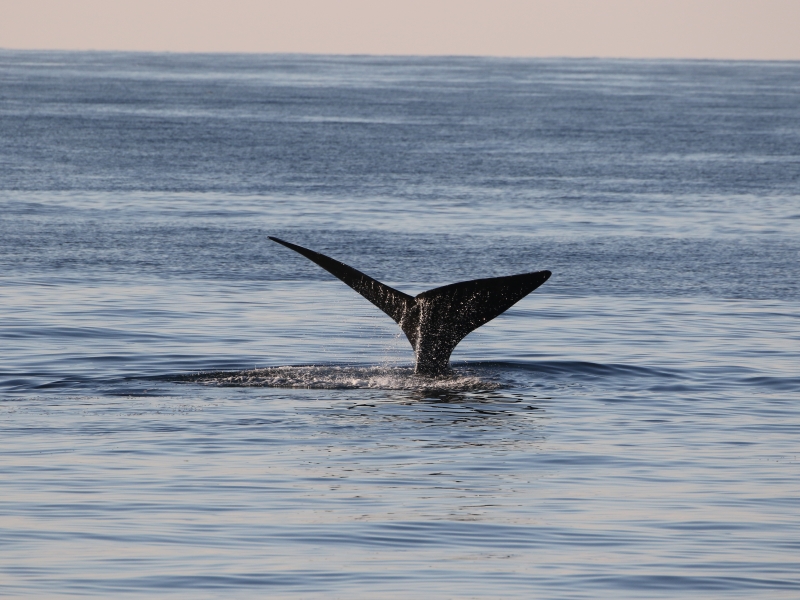
Fantastic video of an encounter with North Atlantic right whales off the coast of Virginia Beach
January 27, 2021
Footage of three right whales off Virginia.
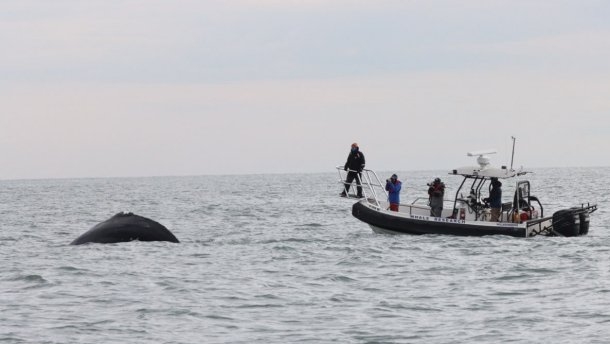
Entangled humpback whale
January 8, 2021
Our team assisted with the disentanglement efforts of a young humpback whale.
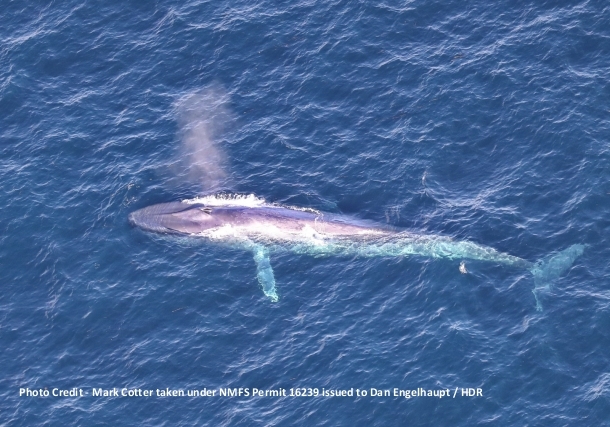
Fin and blue whale feeding aggregation observed in Norfolk Canyon study area
March 26, 2019
Baleen whale feeding assemblage offshore of Virginia.
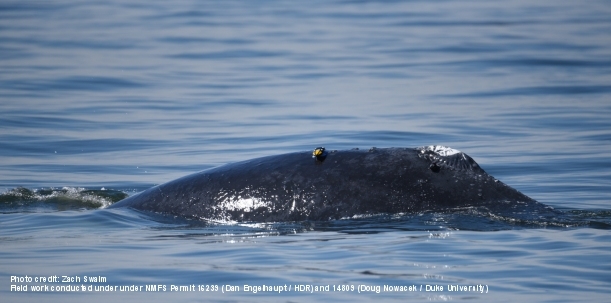
One whale tagged twice.
March 8, 2019
D-tag and limpet tag on a humpback whale.
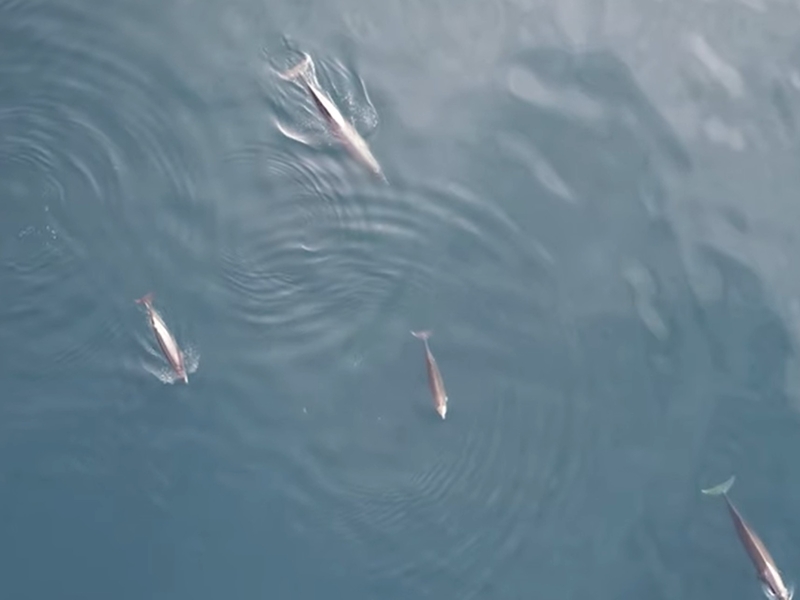
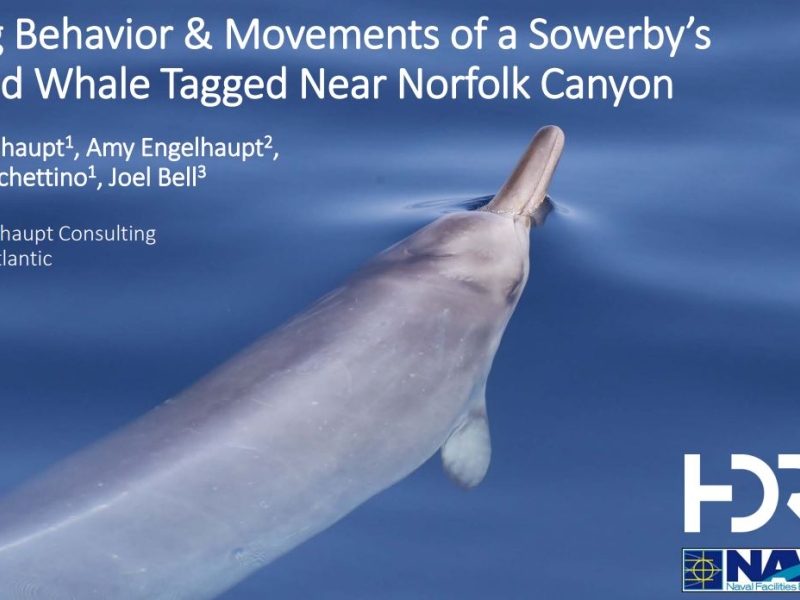
Sowerby's beaked whales encountered at Norfolk Canyon
January 7, 2019
Excellent drone footage of a group of rarely seen beaked whales.
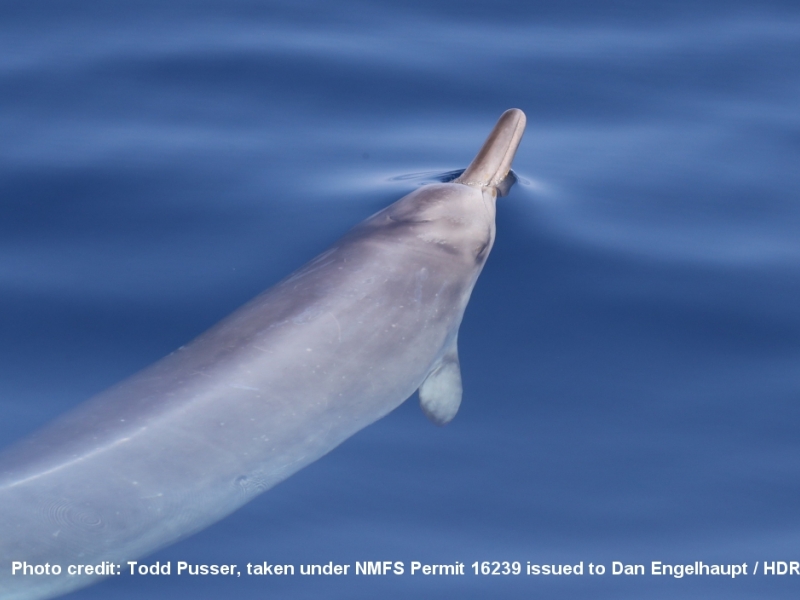
Sowerby's beaked whale tagged offshore of Virginia
September 12, 2018
A rarely seen beaked whale was tracked offshore.
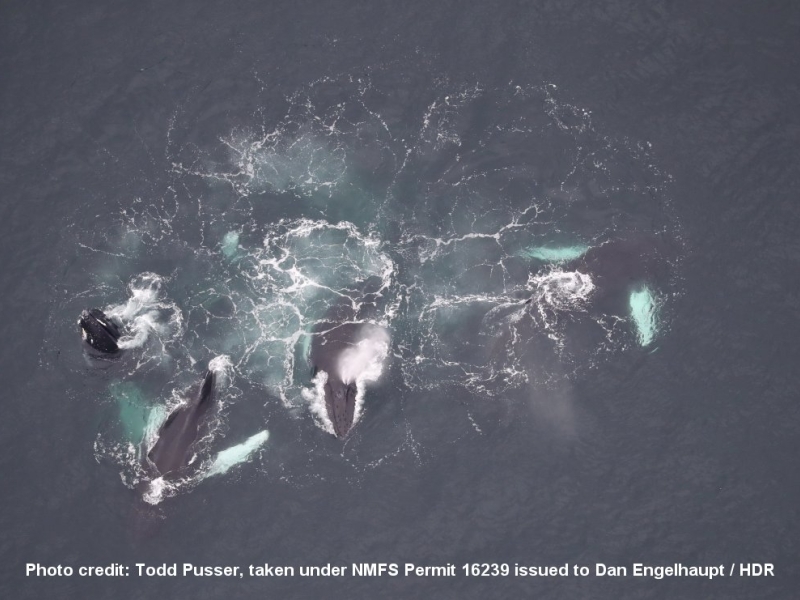
Blue whales and sei whales and right whales - OH MY!!!
April 18, 2018
A spring aggregation of endangered whales offshore.
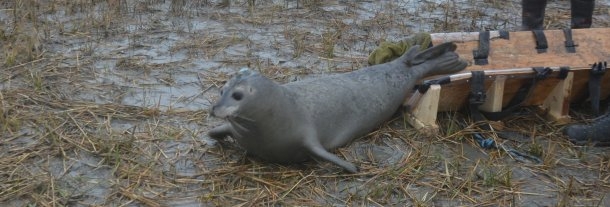
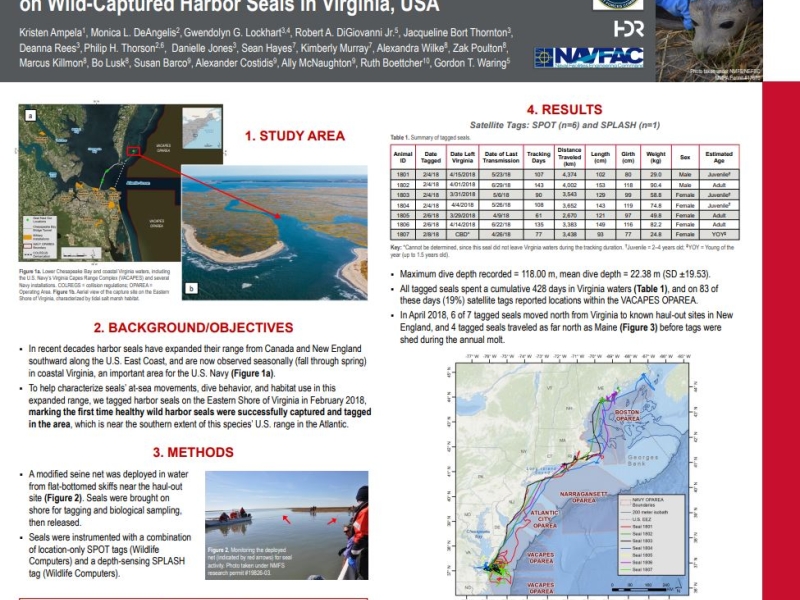
Seal Tagging Team Win!
February 6, 2018
Successful seal tag deployment on the Eastern Shore of VA.
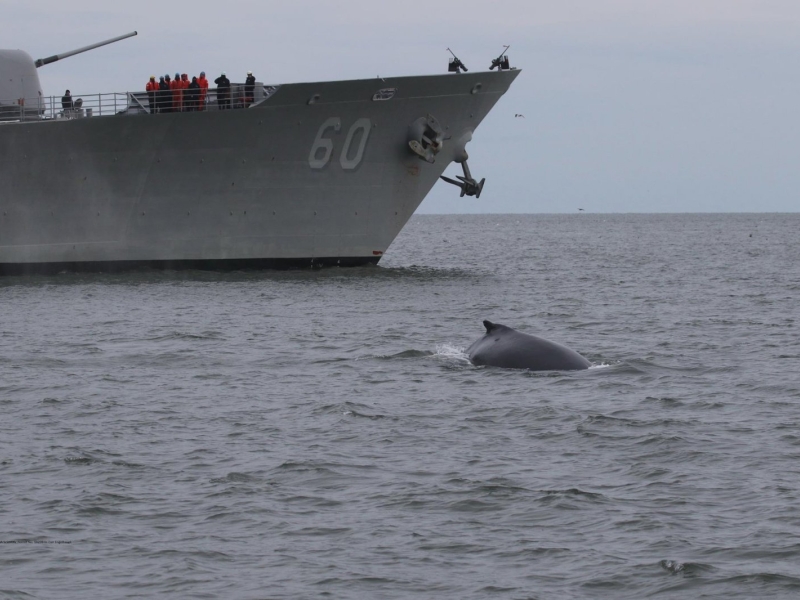
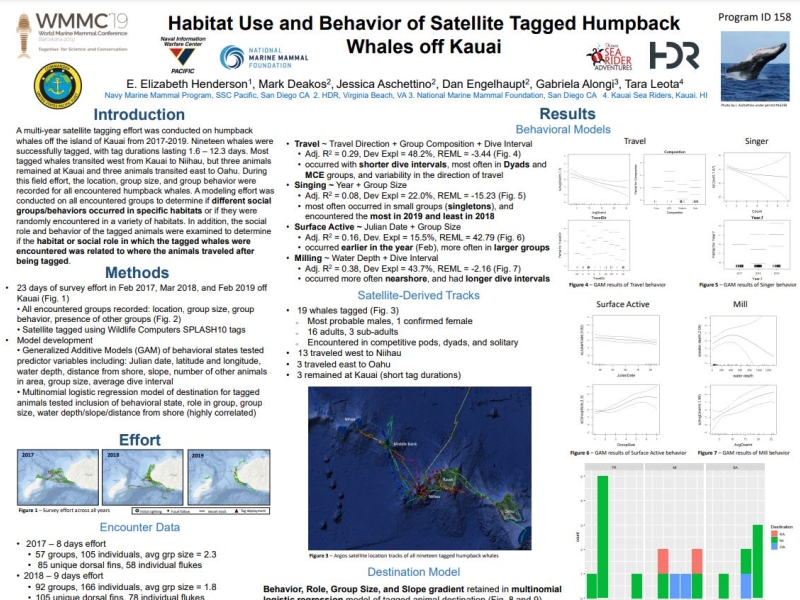
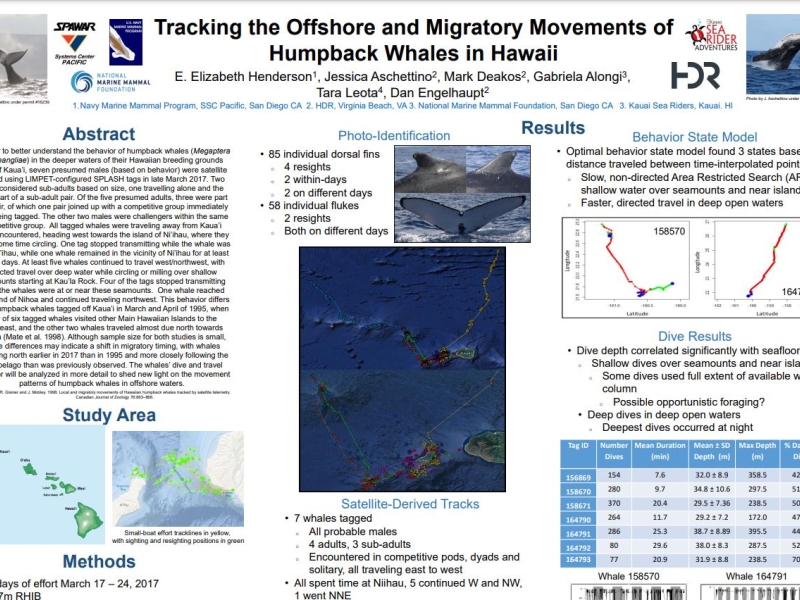
Repeat tagging customers to humpback monitoring project
January 30, 2018
Some interesting notes on site fidelity in Humpack whales.
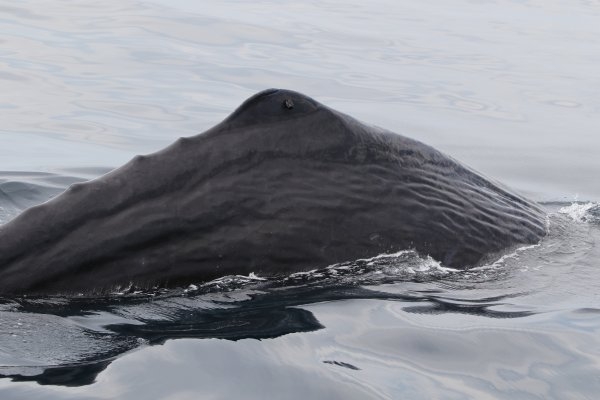
Sperm whales tagged off Virginia Beach
August 25, 2017
Several groups of sperm whales were sighted offshore of VA.
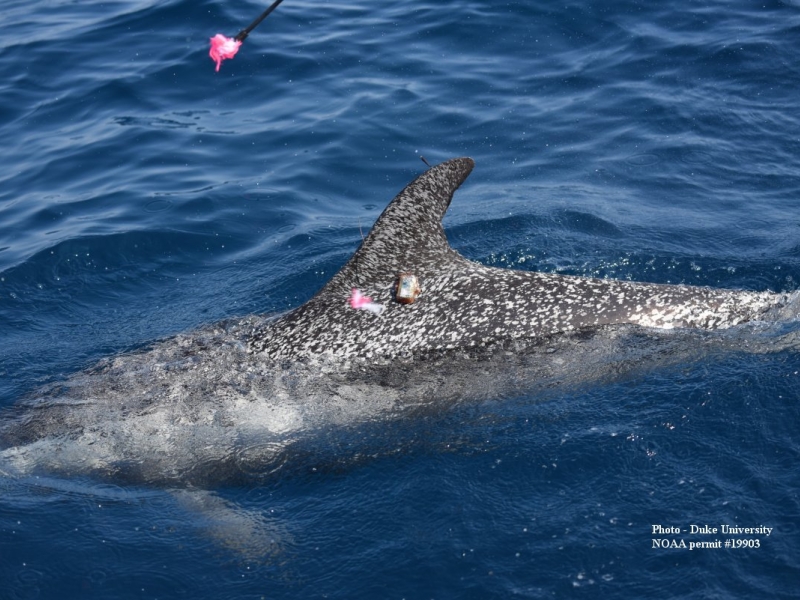
Bonus tagging in JAX
June 15, 2016
Odontocete tagging in Florida.
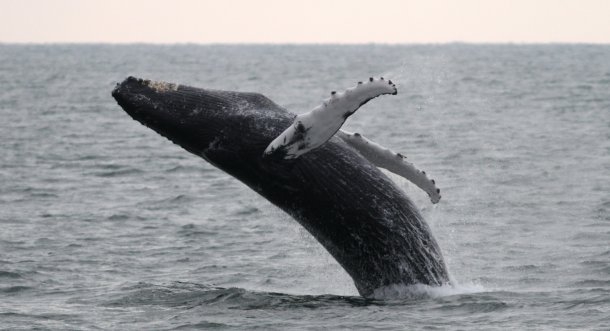
Tagging Atlantic Humpbacks
January 8, 2016
Year two of our Chesapeake Bay humpback whale project has begun!
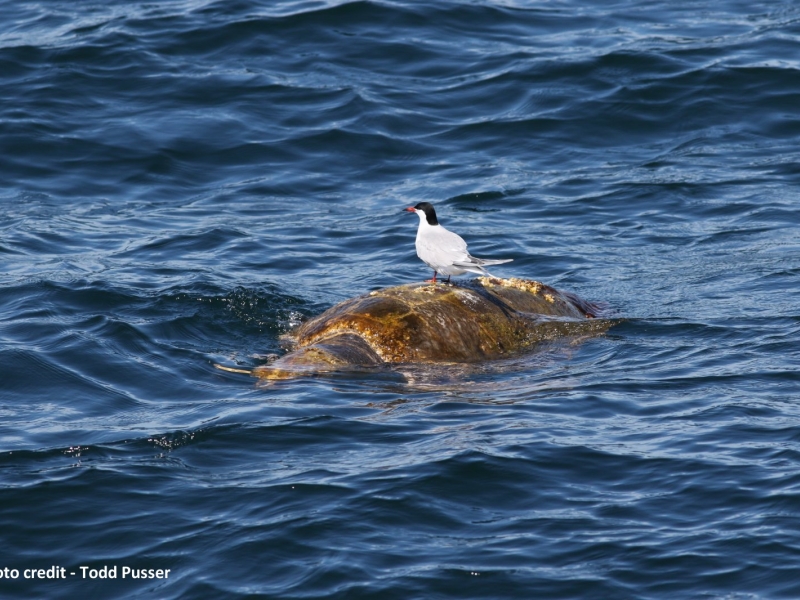
Great Day for a Mid-Atlantic Offshore Survey
April 20, 2015
Pelagic cetaceans and sea turtle sightings.
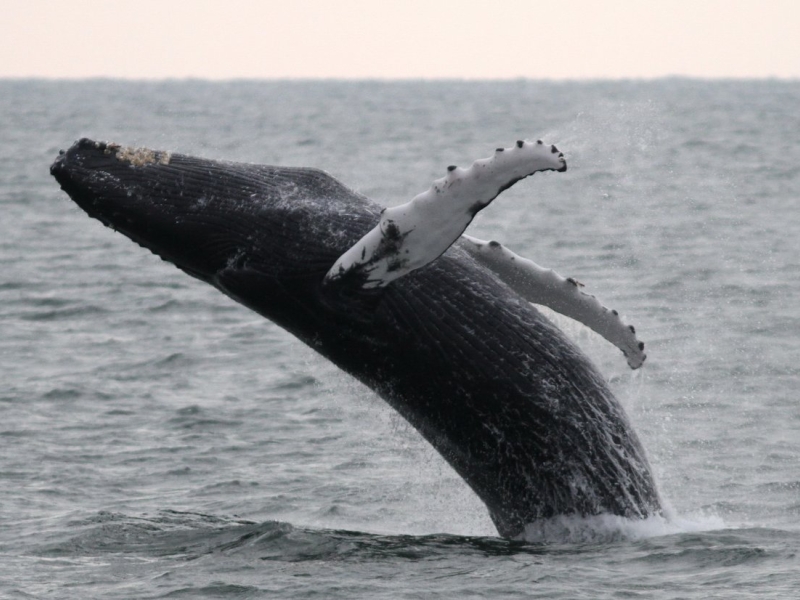
Humpbacks Have Arrived!
December 30, 2014
It's winter in Virginia and that means whales!
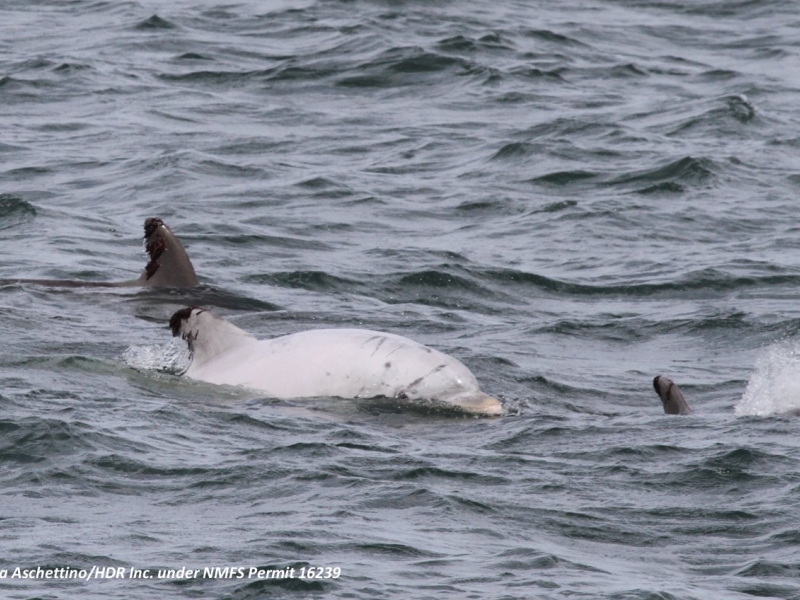
White “Leucistic” Bottlenose Dolphin Seen on Marine Mammal Survey
October 30, 2014
Leucism, like albinism, is a genetic condition that results in a lack of pigmentation in the skin.
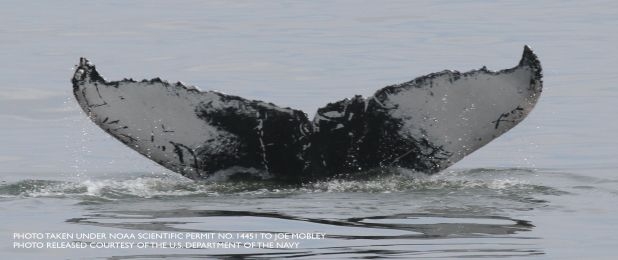
Spinnaker sighted off Virginia Beach
September 25, 2013
A well known whale makes a visit.
Complete
Guam Shore Based Visual Surveys
Project Objectives
Shore-based marine mammal surveys
Complete
Behavioral Response Research Evaluation Workshop II (BRREW II)
Project Objectives
Response
Current
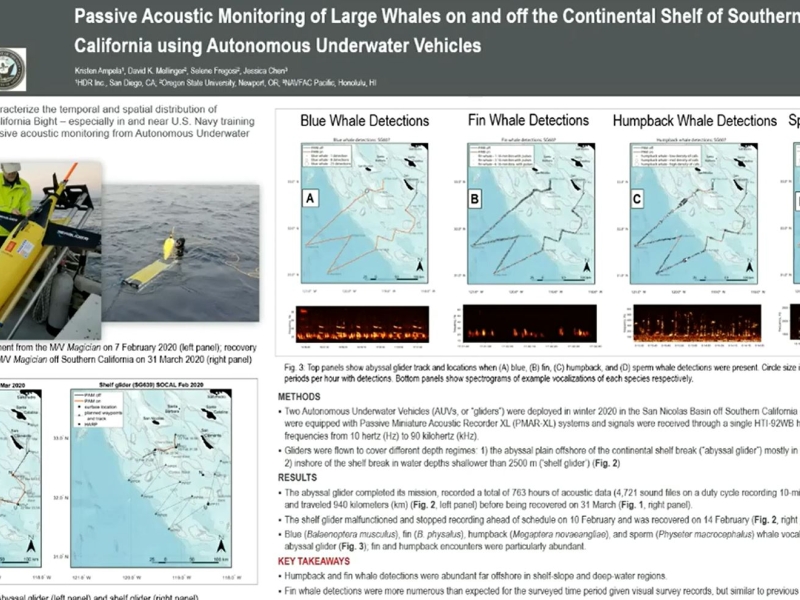
Passive Acoustic Monitoring for Mid-Atlantic Baleen Whales
Project Objectives
Monitor large whale occurrence in the Mid-Atlantic
Complete
Mariana Islands Sea Turtle and Cetacean Survey (MISTICS)
Project Objectives
Determine what species of marine mammals and sea turtles are present and estimate abundance.
Complete
Passive Acoustic Monitoring of Marine Mammals Using Gliders in Marianas
Project Objectives
Identify acoustically distinct species of beaked whales, odontocetes, and baleen whales that occur in the Mariana Islands; develop a better understanding of marine mammal distribution, habitat use, and abundance
Complete
Pilot survey for humpback whales at Farallon de Medinilla
Project Objectives
The goal of the visual surveys is to collect individually-identifying information from humpback whales present near and around Farallon de Medinilla (FDM)
Complete
Aerial Surveys of Marine Mammals Conducted in the Inland Puget Sound Waters of Washington, summer 2013 – winter 2016
Project Objectives
1) Conduct aerial surveys during four seasonal periods within the inland Puget Sound Survey Area to assess potential differences in seasonal distribution, numbers, and behavioral state patterns of marine mammals; 2) Collect data to estimate densities of marine mammals in the inland Puget Sound waters for species with sufficient sightings; 3) Estimate abundance for each marine mammal species seen an adequate number of times; 4) Document the distribution and habitat use of each species observed; 5) Document and describe behaviors seen without performing focal follows.
Current
Estimation of Received Levels of MFAS and Behavioral Response of Marine Mammals at PMRF
Project Objectives
Further our understanding of the Monitoring Questions: 1) What is the occurrence and estimated received levels of MFAS on 'blackfish', humpback, minke, sperm and Blainville's beaked whales within the PMRF instrumented range? and 2) What, if any, are the short term behavioral responses of 'blackfish,' humpback, minke, sperm and Blainville's beaked whales when exposed to MFAS/explosions at different levels/conditions at PMRF?
Current
Southern California Beaked Whale Occurrence (formerly "Passive Acoustic Monitoring of Marine Mammals in Southern California Range Complex (SOCAL)")
Project Objectives
Determine the distribution and temporal patterns of beaked whale occurrence in the waters within and outside the Southern California Range Complex (SOCAL). Use passive acoustic monitoring to determine what species are present in SOCAL and examine spatial and temporal patterns.
Complete
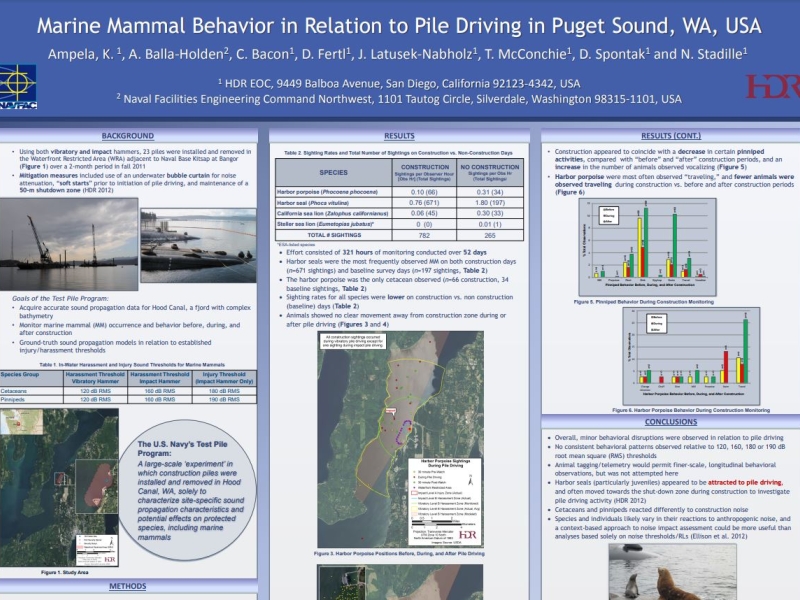
Sound source measurements from pile driving
Project Objectives
Determine the source levels produced by impact and vibratory driving of different size and material piles during construction projects
Complete
NAS Patuxent River Marine Species Surveys
Project Objectives
Assess occurrence, seasonality, and abundance of Tursiops in the waters near NAS PAX River
Complete
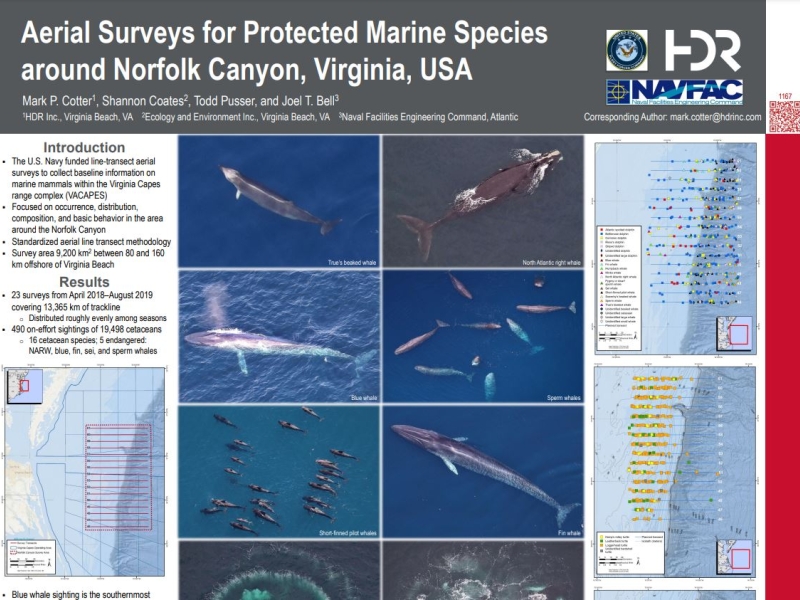
Baseline Monitoring for Marine Mammals in the East Coast Range Complexes (aerial surveys)
Project Objectives
Assess occurrence, habitat associations, and density of marine mammals and sea turtles in key areas of Navy range complexes
Complete
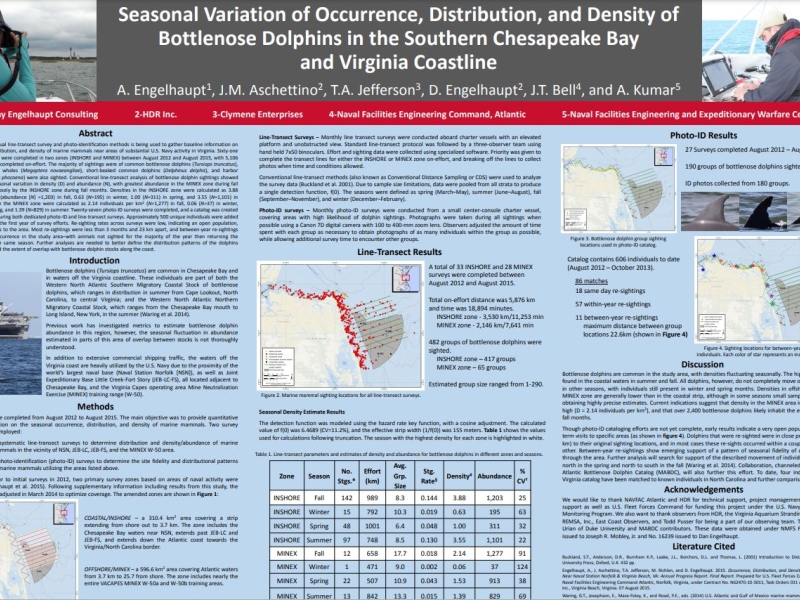
Occurrence, Distribution, and Density of Marine Mammals Near Naval Station Norfolk and Virginia Beach
Project Objectives
Assess occurrence, seasonality, and abundance of Tursiops in the coastal waters of Hampton Roads military installations
Complete
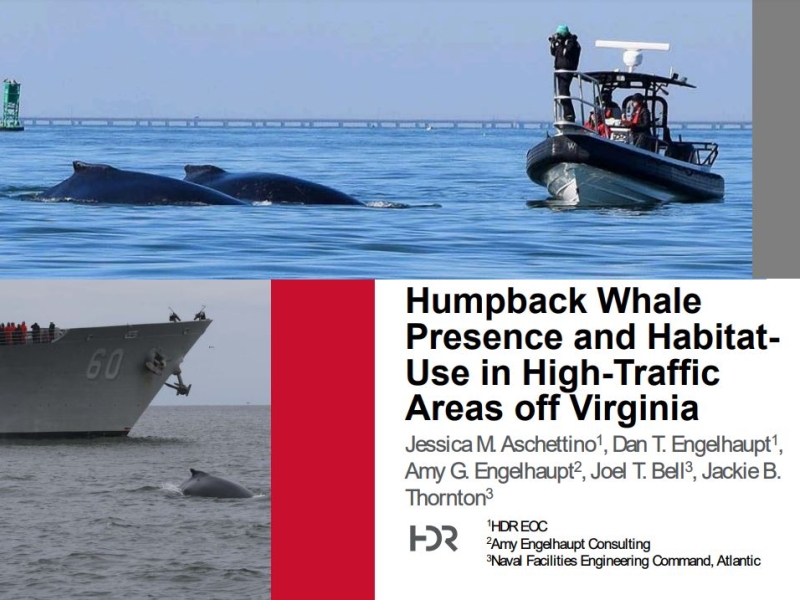
Mid-Atlantic Humpback Whale Monitoring
Project Objectives
Assess occurrence, habitat use, and baseline behavior of humpback whales in the mid-Atlantic region
Complete
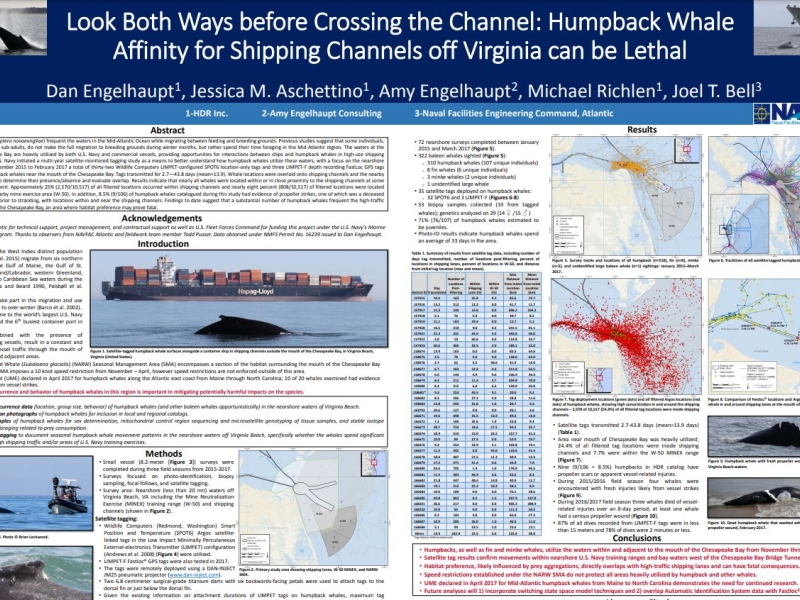
Behavioral Response of Humpback Whales to Vessel Traffic
Project Objectives
Understand the behavioral response of humpback whales to approaching vessels in the shipping channels at the mouth of the Chesapeake Bay.
Complete
Effectiveness of Navy Lookout Teams in Detecting Cetaceans
Project Objectives
Obtain data to characterize the potential exposure of marine mammals and ESA-listed marine species to Navy training and testing activities, evaluate the effectiveness of mitigation measures
Current
Jacksonville Shallow Water Training Range Vessel Surveys and M3R Species Verifications
Project Objectives
Monitor species composition and distribution on JSWTR, support M3R species verifications
Current
Mid-Atlantic Offshore Cetacean Study
Project Objectives
Assess occurrence, habitat use, and baseline behavior of cetaceans in the offshore and continental shelf break region of the VACAPES OPAREA
Current
North Atlantic Right Whale Monitoring, Conservation, and Protection
Project Objectives
Assess occurrence, habitat use, and behavior of North Atlantic right whales in the mid-Atlantic region
Current
Mid-Atlantic Nearshore & Mid-shelf Baleen Whale Monitoring
Project Objectives
Assess occurrence, habitat use, and baseline behavior of baleen whales in the mid-Atlantic region
Current
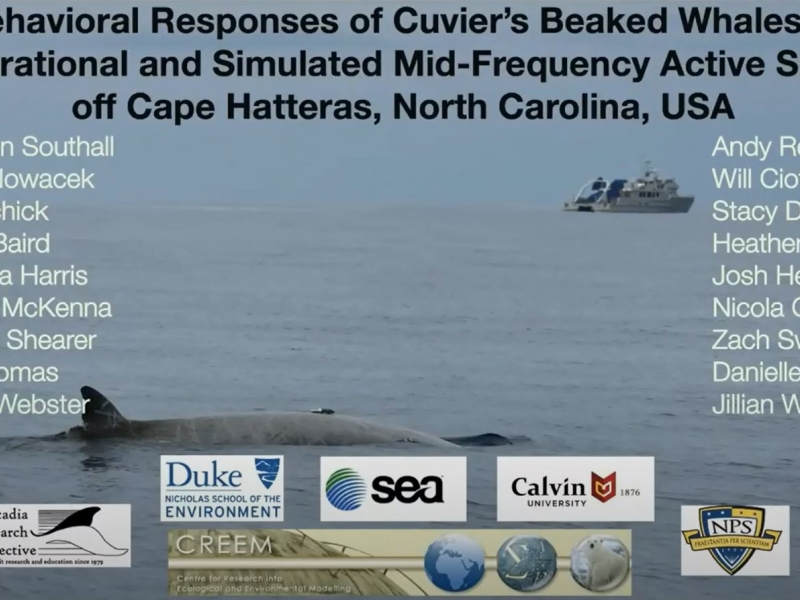
Atlantic Behavioral Response Study
Project Objectives
Assess behavioral response of beaked and pilot whales to mid-frequency tactical sonar
Current
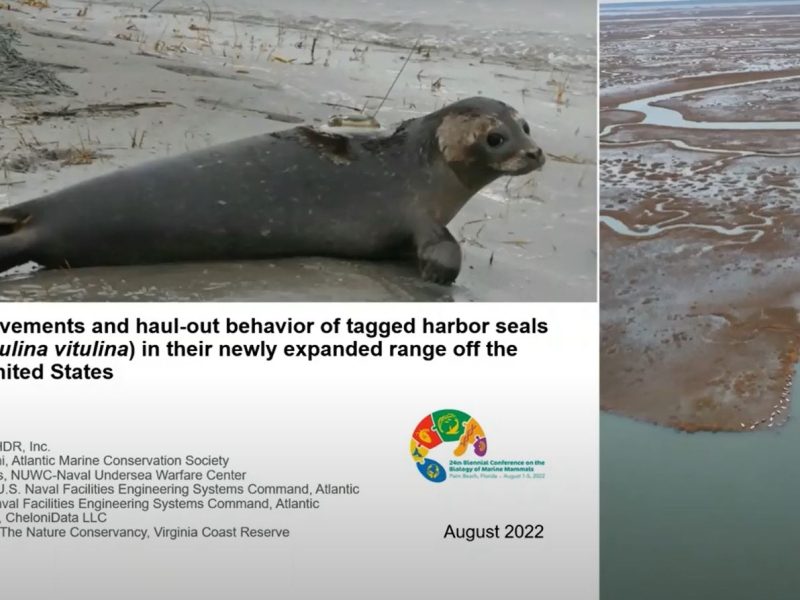
Haul-Out Counts and Photo-Identification of Pinnipeds in Virginia
Project Objectives
Document seasonal occurrence, habitat use, and haul-out patterns of seals
Complete
Pinniped Tagging and Tracking in Southeast Virginia
Project Objectives
Document habitat use, movement and haul-out patterns of seals in the Hampton Roads region of Chesapeake Bay and coastal Atlantic Ocean
More details
Collapse details
Date Published:
Filesize:
- February 13, 2022
As part of the long-term United States (U.S.) Navy-funded Marine Species Monitoring Program, from 1-14 August 2021, a combination of boat-based field effort and passive acoustic monitoring was carried out on and around the underwater hydrophone ranges of the Pacific Missile Range Facility (PMRF).
- 4,288.46 KB
Line-transect Abundance Estimates of Cetaceans in U.S. Waters around the Hawaiian Islands in 2002, 2010, and 2017.
NOAA technical memorandum NMFS PIFSC. 2021.
115. https://doi.org/10.25923/daz4-kw84
More details
Collapse details
Date Published:
Publication:Ocean:Region:Species:
- January 1, 2021
The Hawaiian Islands Cetacean and Ecosystem Assessment Survey (HICEAS) is a recurring ship-based, line-transect survey designed to estimate cetacean abundance in the entirety of the Hawaiian EEZ.
- Blue whale
- Bryde's whale
- Humpback whale
- Minke whale
- Sei whale
- Blainville's beaked whale
- Bottlenose dolphin
- Goose-beaked whale
- False killer whale
- Fraser's dolphin
- Killer whale
- Longman’s beaked whale
- Melon-headed whale
- Pygmy killer whale
- Risso's dolphin
- Rough-toothed dolphin
- Short-finned pilot whale
- Sperm whale
- Spinner dolphin
- Spotted dolphin
- Striped dolphin
More details
Collapse details
Date Published:
Filesize:
- November 1, 2012
The first phase to integrate the historical sum of these U.S. Navy-sponsored visual survey efforts for marine species monitoring in the HRC was prepared by Uyeyama (2011). This report represents the second phase of that effort and presents an overview of monitoring survey effort to date in the HRC. Available data from visual surveys performed by both contractor-led efforts and U.S. Navy in-house surveys was compiled and processed in order to: 1. Create a geographic information system (GIS)-based summation of all survey tracks that can be easily visualized. 2. Construct a geo-referenced database of sightings that can be queried by species, observer platform, Beaufort Sea State (BSS), season, or other sighting/survey variables. 3. Conduct an enhanced analysis of sighting success with respect to survey platform, field protocol, and environmental conditions. 4. Inform and adjust data collection procedures on future surveys as needed to reflect lessons learned from sighting data compilation efforts presented here. 5. Provide information to enhance informed management of marine protected species in the HRC and support the adaptive management process that is part of the ICM
- 19,704.58 KB
- Hawaiian Monk Seal
- Green turtle
- Bryde's whale
- Humpback whale
- Minke whale
- Sei whale
- Blainville's beaked whale
- Bottlenose dolphin
- Goose-beaked whale
- Fraser's dolphin
- Killer whale
- Longman’s beaked whale
- Melon-headed whale
- Pantropical spotted dolphin
- Pygmy killer whale
- Risso's dolphin
- Rough-toothed dolphin
- Short-finned pilot whale
- Spinner dolphin
- Striped dolphin
Introgressive hybridization of Fraser's dolphin mitochondrial and nuclear DNA into Mariana Islands bottlenose dolphins.
21st Biennial Conference on the Biology of Marine Mammals .
More details
Collapse details
Date Published:
Filesize:
- December 13, 2015
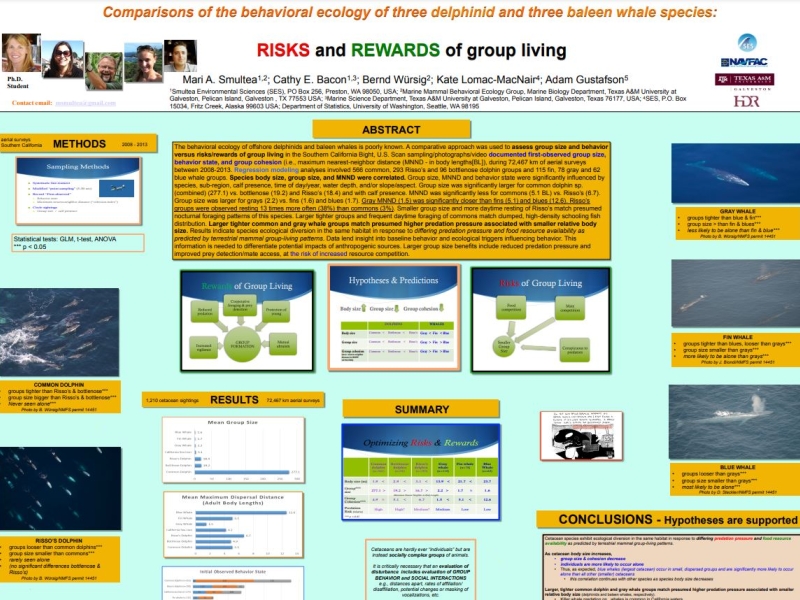
Introgressive hybridization, in which genetic material from one species persists in the genome of another species following hybridization, can result in gene trees that do not match species trees and seriously mislead phylogenetic studies. This is particularly true in studies based solely on mitochondrial DNA, as introgression of maternally-inherited genomes is predicted to occur far more rapidly and persist longer than introgression of nuclear genomes. Introgressive hybridization has long been suspected as a source of taxonomic confusion in the Delphinidae. We detected mitochondrial introgressive hybridization in bottlenose dolphins (Tursiops truncatus) sampled around the southern islands of the Mariana Archipelago, where five out of 15 animals possess haplotypes characteristic of Fraser's dolphins (Lagenodelphis hosei). We used mitochondrial sequence data and genotypes from 14 nuclear microsatellite loci to further examine introgression of Fraser's dolphin DNA into the Mariana Islands population of bottlenose dolphins. We compared the Mariana Islands samples to bottlenose dolphin samples from elsewhere in the western Pacific and the Hawaiian Archipelago and to Fraser's dolphin samples from throughout the Pacific and Indian Oceans to investigate the extent and origin of hybrid ancestry in Mariana Islands bottlenose dolphins. We estimate that the Mariana Islands animals derive approximately 14% of their nuclear ancestry from Fraser's dolphins. The fact that every Mariana Islands sample showed evidence of nuclear introgression, combined with the fact that those exhibiting mitochondrial introgression all share the same Fraser's dolphin haplotype, suggests that there was a single hybridization event far enough in the past to allow Fraser's dolphin nuclear DNA to permeate the population. The Mariana Islands samples exhibited low genetic diversity compared to other bottlenose dolphin populations, suggesting that they represent a small, genetically isolated population.
- 91.93 KB
Species diversity and abundance at a cetacean "hot spot" off Cape Hatteras, North Carolina, USA.
21st Biennial Conference on the Biology of Marine Mammals .
More details
Collapse details
Date Published:
Filesize:
- December 13, 2015
We have been conducting ongoing monthly aerial surveys off Cape Hatteras, NC, USA as part of the US Navy's marine species monitoring program in the Atlantic since 2011. We utilize line transect survey methods and extensively photograph all sightings to confirm species identification. Survey tracklines extend from shallow continental shelf waters, across the shelf break, to deep pelagic waters. From May 2011 through December 2014, 26,131km of trackline were flown, and 9,941 individual cetaceans were documented during 437 encounters. Nineteen species of cetaceans, including three mysticetes (Balaenoptera physalus, B. acutorostrata, Megaptera novaeangliae), five deep-divers (Physeter microcephalus, Kogia spp., Ziphius cavirostris, Mesoplodon europaeus, M. mirus), and eleven delphinids (Tursiops truncatus, Stenella frontalis, S. attenuate, S. coeruleoalba, S. clymene, S. longirostris, Steno bredanensis, Peponocephala electra, Lagenodelphis hosei, Grampus griseus and Globicephala macrorhynchus) were encountered. Similar surveys at the adjacent Onslow Bay, NC site yielded only 257 sightings (4,773 individuals representing nine species) despite nearly two times the survey effort flown (48,698km). At Cape Hatteras, minimum abundance estimates (i.e. uncorrected for availability or perception bias) were generated using spatio-temporal density surface modelling for species with sufficient detections. Predicted monthly abundance of T. truncatus varied between 170 (95% confidence interval; 0 - 17,100) and 3,450 (300 - 8,510). Monthly Stenella spp. abundance varied between 110 (0 - 360) and 1,720 (400 - 5,390). Monthly abundance of G. macrorhynchus varied between 10 (0 - 960) and 1,230 (220 - 4,300). These results demonstrate that the waters off Cape Hatteras support both higher diversity and density of cetaceans than adjacent waters along the US Atlantic coast. This site is included in the area of interest identified in six pending permits for large-scale, commercial seismic surveys. We suggest that the high density and diversity of cetaceans at this site warrants a special degree of concern by the US Bureau of Ocean Energy Management.
- 92.54 KB
More details
Collapse details
Date Published:
Filesize:
- February 9, 2025
The University of Hawai‘i Health and Stranding Lab located at Marine Corps Base Hawaii (MCBH) is the only entity in the Pacific Islands region that responds to strandings, conducts necropsy and cause of death investigations, archives tissues and performs research to identify and evaluate threats to Pacific Island cetaceans. This project focuses on increasing our understanding of infectious diseases in the Pacific Island region by investigating the diseases caused by beaked whale circovirus (BWCV), cetacean morbillivirus (CeMV) and toxoplasmosis infections in cetaceans.
- 422.54 KB
More details
Collapse details
Date Published:
Filesize:
- September 9, 2024
We report significant pathological findings from 250 stranding investigations of 20 cetacean species in the Pacific Islands region between 2006 and 2022. Full or partial necropsies of 196 of the 250 stranding cases (78.4%) resulted in a diagnosis or multiple diagnoses associated with death in 126 cases. Natural disease accounted for 60.3% of stranded animals; approximately half were in poor body condition at time of death due to chronic illness. Morbillivirus and Brucella sp. infections caused mortality in eleven species, including striped dolphins and the Longman’s beaked whale. Toxoplasma infection, of anthropogenic cause in Hawaiʻi, led to the deaths of two spinner dolphins. Pygmy and dwarf sperm whales, beaked whales and pilot whales showed heavy parasitism by nematodes, cestodes and trematodes. Approximately 12.7% of stranded individuals were perinates/neonates, with three cases of dystocia with maternal mortality. Anthropogenic trauma was observed in 30.2% of strandings. In seven Cuvier’s beaked whales, cranial and/or microvascular hemorrhages were categorized as trauma. Vertebral and skull fractures were attributed to direct vessel strikes for two pygmy sperm whales, a Cuvier’s beaked whale, a humpback whale calf and a striped dolphin. Blast trauma was observed in three Fraser’s dolphins that were part of an uncommon stranding event. Significant plastic debris, and/or fishery debris were found in stomachs of six species and fatal fishhook penetration occurred in a Submitted in Support of the U.S. Navy’s 2023 Annual Marine Species Monitoring Report for the Pacific STANDARD FORM 298 Back (Rev. 8/98) bottlenose dolphin. This study highlights the value of carcass examinations in a region inhabited by small island associated populations where carcass recovery rates are low, and cetaceans face an array of natural and anthropogenic threats.
- 1,496.52 KB
- Humpback whale
- Blainville's beaked whale
- Bottlenose dolphin
- Goose-beaked whale
- Dwarf sperm whale
- False killer whale
- Fraser's dolphin
- Killer whale
- Longman’s beaked whale
- Melon-headed whale
- Pilot whale
- Pygmy killer whale
- Risso's dolphin
- Rough-toothed dolphin
- Short-finned pilot whale
- Sperm whale
- Spinner dolphin
- Spotted dolphin
- Striped dolphin
More details
Collapse details
Date Published:
Filesize:
- November 11, 2024
This review examines historical data from 535 odontocete stranding events in the Mariana archipelago and Hawaiian Islands by date, location and species and spans the time period of 1848 to 2023. Reports of strandings increased across the two geographic regions that were generally consistent over time. A total of 54 historical stranding events that represent 14 odontocete species are described for the Mariana Islands. A total of 481 stranding events that represent 19 odontocete species are described from the Hawaiian Islands, significantly updating the last published report that examined 202 odontocete strandings that occurred in the main Hawaiian Islands between 1937 and 2002. ArcGIS cluster maps were utilized to identify groupings of stranding events across the geographic regions. The majority of strandings in the Mariana Islands were reported from the west and southeastern coast of Guam, followed by Saipan, Rota and Tinian. Stranding hotspots in the Hawaiian Islands were identified at Mā’alaea Bay, Maui, at windward Oʻahu and near Kailua-Kona on Hawaiʻi Island.
- 493.28 KB
More details
Collapse details
Date Published:
Filesize:
- January 15, 2021
The University of Hawai‘i Health and Stranding Lab (HSL), located in Kaneohe Bay, is the only entity in the Pacific Islands region that responds to strandings, conducts necropsy and cause of death investigations, archives tissues and performs research to identify and evaluate threats to Pacific Island cetaceans. The purpose of this project has three objectives: 1) To conduct comprehensive stranding investigations for high priority species through increased capacity for in-house diagnostics; 2) To analyze archived tissues for the presence of two pathogens (circovirus and morbillivirus) and to examine the detectability of Toxoplasma positive animals over time and 3) To conduct analyses of historical stranding patterns and causes of mortality that incorporate quantitative estimates of stranding date and advanced diagnostic information.
- 852.51 KB
More details
Collapse details
Date Published:
Filesize:
- March 14, 2022
The University of Hawaii Health and Stranding Lab located at Marine Corps Base Hawaii (MCBH) is the only entity in the Pacific Islands region that responds to strandings, conducts necropsy and cause of death investigations, archives tissues and performs research to identify and evaluate threats to Pacific Island cetaceans (dolphins, whales, and porpoises).
- 617.84 KB
More details
Collapse details
Date Published:
Filesize:
- March 1, 2020
The primary goals of Winter HICEAS 2020 were to collect data required to estimate the abundance and distribution, examine the population structure, and understand the habitat of cetaceans around the main Hawaiian Islands during the winter months (January–March). There were 5 major research components to the project: visual observations for cetaceans following a line-transect survey design; passive acoustic monitoring for cetaceans using towed hydrophone arrays, sonobuoys, and autonomous drifting acoustic recorders; collection of photographs and tissue samples and deployment of satellite tags for select cetacean groups; visual observations for seabirds following a strip-transect survey design; and ecosystem measurements for assessment of cetacean and seabird habitat.
- 8,521.54 KB